


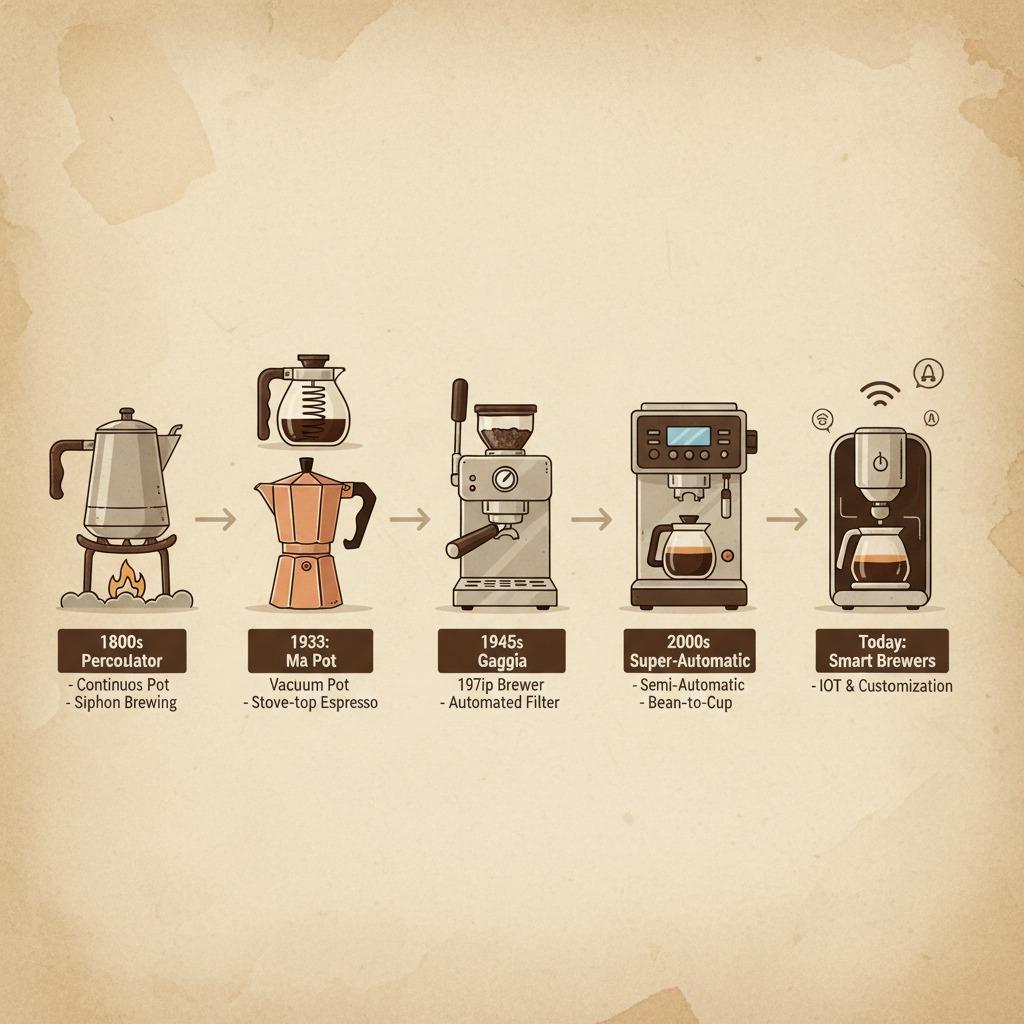
Introduction to Coffee Machines
Have you ever wondered How Coffee Machines Work: A Complete Guide to Brewing Technology? These everyday appliances transform simple coffee grounds and water into your morning ritual, using a fascinating blend of engineering and chemistry. At their core, coffee machines operate on principles of heat, pressure, and filtration to extract flavors from beans. Whether it's a basic drip brewer or a sophisticated espresso machine, the goal is to mimic traditional brewing methods with precision and efficiency. This guide will walk you through the mechanics, from the initial water heating to the final pour, helping you appreciate the technology behind your cup of joe.
The Basic Components of a Coffee Machine
Every coffee machine, regardless of type, shares essential components that make How Coffee Machines Work: A Complete Guide to Brewing Technology possible. The heart of the system is the water reservoir, which holds the cold water that will be heated and circulated. Connected to this is the heating element, often a boiler or thermoblock, that raises the water temperature to the ideal brewing range of 195 to 205 degrees Fahrenheit. This heat is crucial because it unlocks the solubles in coffee grounds without scorching them.
Next comes the pump in pressurized machines, which forces water through the system at controlled rates. For drip coffee makers, gravity assists the process, but the key is the filter basket where grounds are placed. Materials like paper, metal, or reusable mesh hold the coffee while allowing water to pass through, capturing sediment. Sensors and thermostats monitor temperature and flow, ensuring consistency. In more advanced models, microprocessors control timings and volumes for repeatable results every time.
How Drip Coffee Makers Brew Your Cup
Drip coffee makers are the most common household choice, and understanding How Coffee Machines Work: A Complete Guide to Brewing Technology starts with their straightforward operation. When you pour water into the reservoir and hit brew, the heating element activates, warming the water in the reservoir or via a tube. As it heats, the water expands and rises through a tube into the showerhead, which distributes it evenly over the coffee grounds in the filter.
The hot water then drips through the grounds, extracting oils, acids, and caffeine through a process called infusion. This percolation method takes about 4 to 6 minutes for a full pot, allowing for a balanced flavor profile. The brewed coffee then trickles into the carafe below, kept warm by a heating plate to prevent bitterness from over-extraction. Modern drip machines often include features like programmable timers and strength selectors, adjusting water volume or temperature to suit preferences.
Espresso Machines: Pressure and Precision
For those seeking intensity, espresso machines elevate How Coffee Machines Work: A Complete Guide to Brewing Technology with high pressure. These devices use a pump to generate 9 bars of pressure, far beyond what gravity can achieve in drip models. Water is heated in a boiler to around 200 degrees Fahrenheit, then forced through finely ground coffee packed into a portafilter. This rapid extraction, lasting just 25 to 30 seconds, produces the concentrated shot known as espresso, with its signature crema layer formed by emulsified oils under pressure.
There are variations like manual lever machines, which rely on user-pulled levers for pressure, and super-automatic ones that grind, tamp, and brew at the touch of a button. In semi-automatic models, baristas control the shot timing, adding an artisanal touch. The technology ensures that water passes through the coffee puck uniformly, extracting the best flavors while minimizing over-extraction that could lead to sour or bitter tastes.
Other Brewing Technologies Explained
Beyond drip and espresso, pod-based systems like Nespresso or Keurig simplify How Coffee Machines Work: A Complete Guide to Brewing Technology. These use pre-packaged pods or K-Cups containing ground coffee, pierced by needles to allow hot water injection. A high-pressure pump (up to 19 bars in some) pushes water through the pod, brewing directly into your cup in under a minute. The sealed pods preserve freshness, and the machines often include self-cleaning cycles to maintain hygiene.
French press or plunger pots offer a low-tech alternative, relying on immersion rather than filtration. Coarse grounds steep in hot water for 4 minutes before a mesh plunger separates the brew. AeroPress combines elements of both, using air pressure for quick, versatile brewing. Each method highlights different aspects of brewing science, from steeping time to grind size, influencing the final taste.
Maintenance and Troubleshooting Tips
To keep your machine performing optimally and fully grasp How Coffee Machines Work: A Complete Guide to Brewing Technology, regular maintenance is key. Descaling removes mineral buildup from hard water, typically done monthly with vinegar or citric acid solutions. Clean filters and baskets prevent clogs that could unevenly distribute water, leading to weak brews.
Common issues include leaks from worn seals or insufficient pressure from a failing pump. If your coffee tastes off, check grind size—too fine for drip can clog filters, while too coarse reduces extraction. Temperature inconsistencies might stem from a faulty thermostat; many machines have indicators for this. By understanding these inner workings, you can diagnose and fix problems, extending the life of your brewer.
Advancements in Coffee Machine Innovation
The evolution of How Coffee Machines Work: A Complete Guide to Brewing Technology continues with smart features and sustainability. App-connected machines allow remote brewing and usage tracking via Wi-Fi, optimizing energy use. Some integrate scales for precise ratios, ensuring the golden 1:16 coffee-to-water proportion recommended by the Specialty Coffee Association.
Eco-friendly designs feature reusable pods and energy-efficient modes that shut off automatically. Cold brew machines use time and gentle agitation instead of heat, appealing to iced coffee fans. As technology advances, machines are becoming more intuitive, with AI adjusting brew parameters based on bean type or user feedback. This blend of tradition and innovation ensures coffee brewing remains both an art and a science.
In summary, from the simple drip to high-tech espresso, coffee machines rely on heat, pressure, and precise engineering to deliver exceptional brews. Exploring How Coffee Machines Work: A Complete Guide to Brewing Technology empowers you to choose, use, and maintain the perfect machine for your needs, elevating your daily coffee experience.